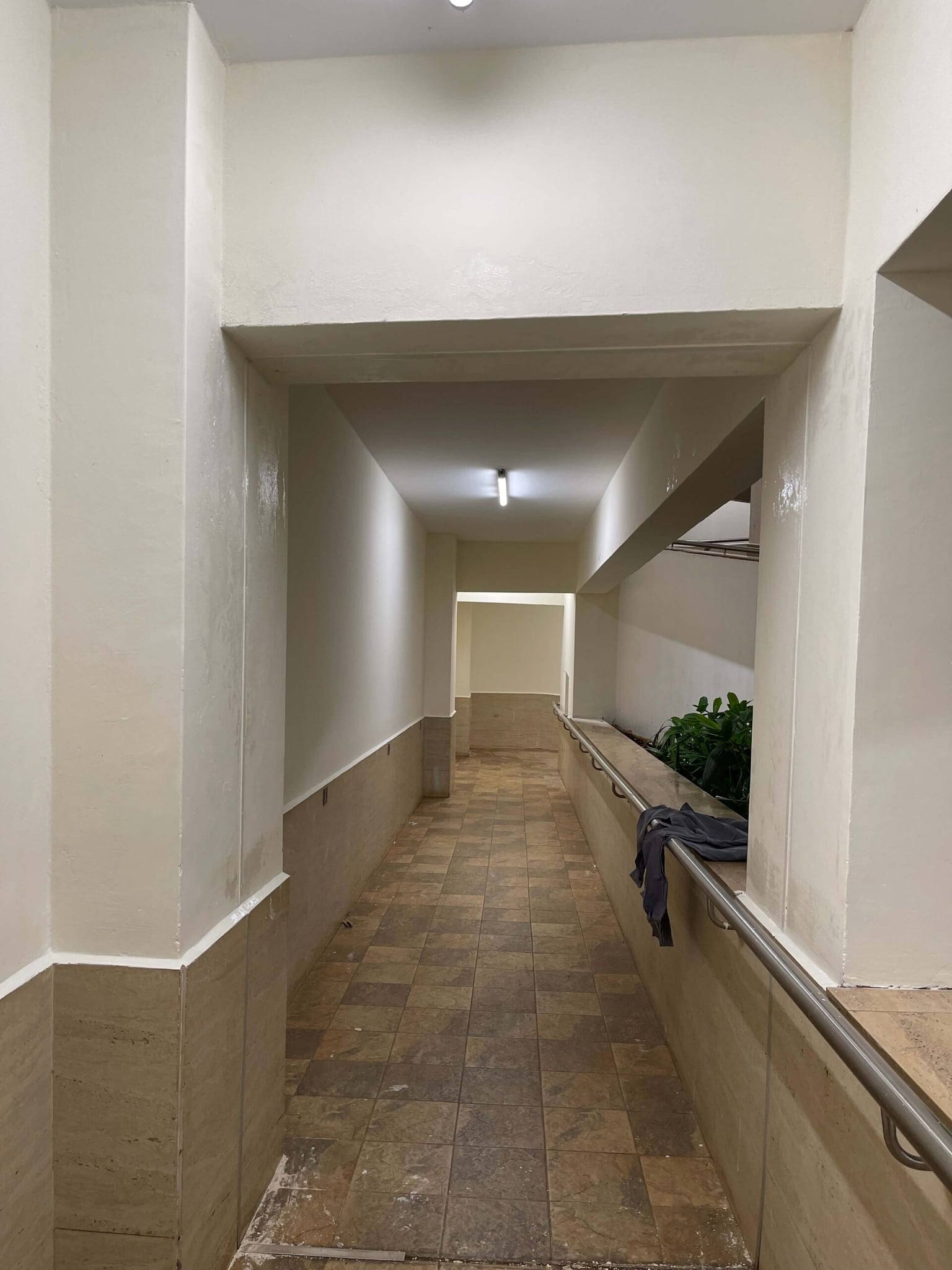
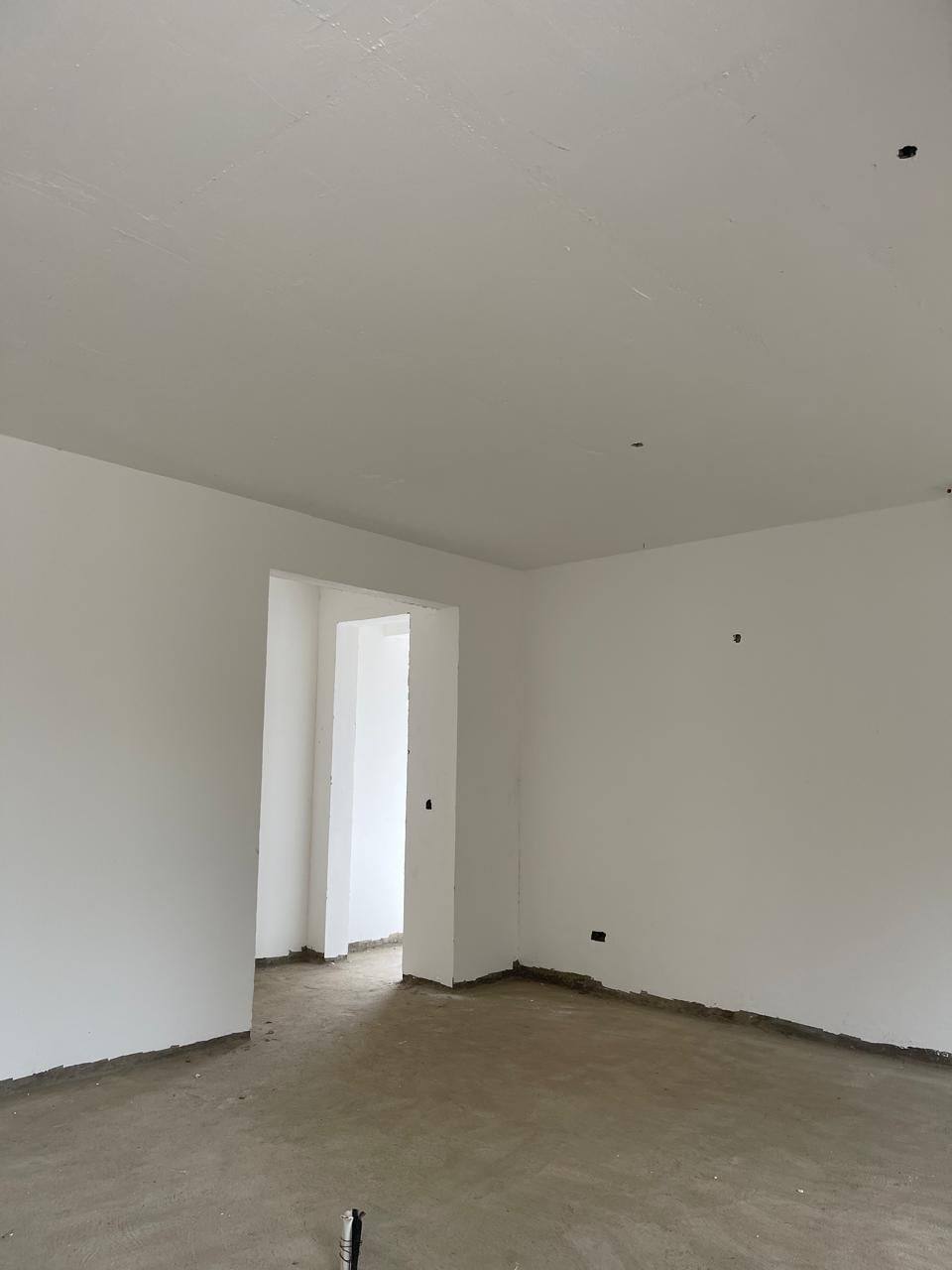
Paint peeling is one of the most common complaints among homeowners and property managers in Kenya. Beyond looking unattractive, it exposes walls to moisture damage and can lead to costly repairs down the line. Understanding what actually causes peeling is the first step toward a finish that lasts.
Moisture Is the Biggest Culprit
In most Kenyan homes, moisture is the leading cause of paint failure. Common sources include roof leaks, rising damp, plumbing leaks, poor drainage, and condensation. When moisture gets trapped behind a paint layer, it weakens adhesion and eventually causes blistering and peeling.
Inadequate Surface Preparation
Many painting projects fail simply because the surface was never properly prepared. Before repainting, surfaces should be scraped of loose paint, washed, cleared of mould, repaired where cracked, and allowed to dry completely with suitable primer applied where needed. Skipping any of these steps significantly shortens paint lifespan.
Low-Quality Paint Products
Cheap paints often use lower-grade binders and pigments that can’t withstand Kenya’s shifting weather. Premium exterior coatings offer noticeably better adhesion, colour retention, and weather resistance over time.
Painting Over Damp Walls
Fresh plaster and repaired surfaces need adequate drying time before painting. Applying paint too early traps moisture inside the wall, which often shows up as peeling months later long after the job looked finished.
Poor Application Techniques
Application matters as much as the product itself. Coats applied too thickly, drying times that aren’t respected, painting during rain or high humidity, and mixing incompatible paint systems all contribute to early failure. Experienced contractors follow manufacturer specifications precisely for this reason.
Previous Paint Compatibility Issues
Not every paint system is compatible with what’s already on the wall. Applying a new paint type over an existing coating without proper preparation can cause poor adhesion and peeling later on. A paint inspection beforehand can catch compatibility issues before they become a problem.
How to Prevent Paint Peeling
Fix moisture problems first, then clean and prepare surfaces thoroughly. Use quality primers and premium paint products, respect recommended drying times, and work with experienced painting professionals.
When Should You Seek Professional Help?
If paint keeps peeling despite repeated repainting, the issue is likely deeper than the coating itself. A professional paint failure investigation can identify moisture intrusion, substrate problems, or specification errors that another repaint won’t fix.
Final Thoughts
Paint peeling is usually a symptom of an underlying problem, not a flaw in the paint itself. Addressing moisture, preparation, and product selection before repainting saves significant time and money down the road.