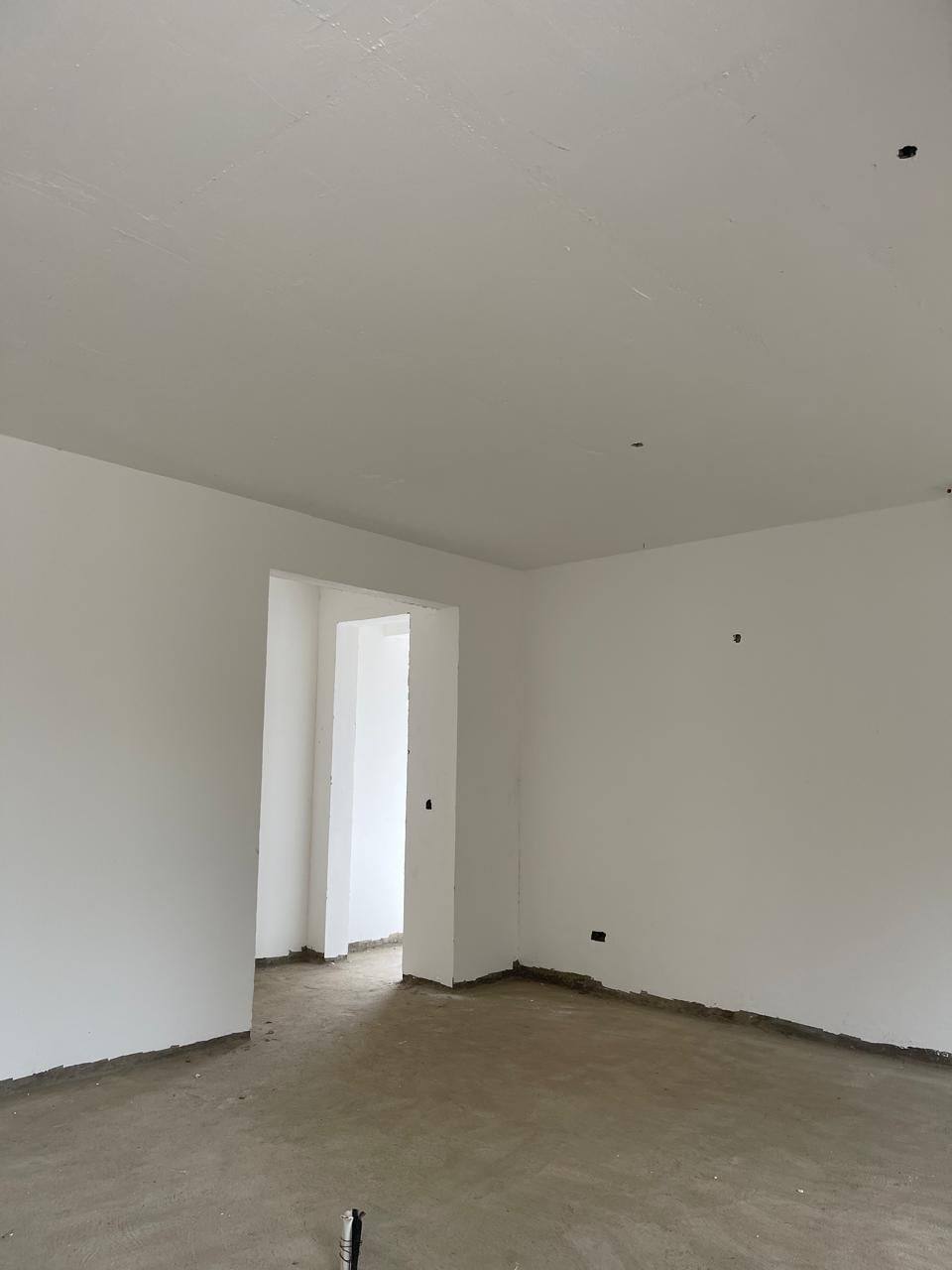
New walls look ready to paint long before they are. Painting fresh plaster too early is one of the most common reasons paint peels, blisters or discolours on new buildings and extensions. This guide explains why new plaster needs time and the right first coat, and how to tell when it is ready.
Why new plaster needs special care
Fresh plaster holds a lot of water, and fresh cement-based plaster is alkaline. Both cause problems for paint:
- Trapped moisture. Paint applied over a wet wall slows the drying and traps moisture behind the film, which pushes the paint off as blisters and peeling.
- Alkalinity. Alkali in fresh plaster can attack some paints, causing poor adhesion and discolouration.
- Salts. As the wall dries, salts can be carried to the surface and appear as a white, powdery deposit (efflorescence), lifting the paint above it.
- High absorbency. Bare plaster soaks up the first coat unevenly unless it is properly sealed.
How long to wait before painting
There is no single correct number of days, and published guidance varies widely:
| Source | Guidance |
|---|---|
| Crown Paints (UK), for new finishing plaster | Wait about a week or two for it to dry fully, and prime to seal it before painting |
| Construction World (South Africa), for new plaster | Typical curing time of about three to five weeks, longer in cold or wet weather |
These figures describe different materials and conditions, so neither is a rule. A waiting time quoted for one type of plaster should not be applied to another without checking. Readiness depends on the plaster type and thickness, the moisture in the wall, ventilation, the weather and season, exposure to rain, and the paint manufacturer’s requirements.
The practical rule: check dryness, don’t count days. A moisture meter, read against the paint manufacturer’s acceptable moisture level, is the most reliable check. Dark or blotchy patches, a cool damp feel, or white salts appearing on the surface all mean the wall is not ready.
Preparing and sealing new plaster
Once the plaster is dry:
- Remove salts and dust. Brush off any efflorescence dry and wait to see whether it returns before continuing. Washing it off adds water back into the wall.
- Fill and make good. Fill cracks and imperfections; skim where the surface is rough or patchy. See wall skimming.
- Sand and dust off. Leave a clean, even surface.
- Seal the surface. Apply the first coat the paint system specifies for new plaster:
- an alkali-resisting primer, where the system calls for one. In Kenya, for example, Crown Paints Kenya makes an alkali-resisting wall primer for new, dry plaster before oil-based paints; or
- a sealer or diluted first coat (“mist coat”) of emulsion, where the manufacturer recommends it. A full-strength emulsion on bare plaster can dry too quickly to bond properly, so the first coat is often thinned to the manufacturer’s ratio.
- Undercoat, then two finishing coats, following the data sheet’s drying and recoating times.
The products in one system should come from the same manufacturer’s recommendations. Mixing primers and finishes from unrelated systems is a common cause of adhesion problems.
Common mistakes on new plaster
- Painting to a deadline instead of a dry wall. Handover dates are a common reason walls get painted too early.
- Skipping the sealer or primer. The finishing coats then soak in unevenly and bond poorly.
- Ignoring the manufacturer’s new-plaster instructions. Many systems specify a particular first coat, dilution or finish for new walls; follow the data sheet.
- Washing off efflorescence. It adds moisture and brings more salts to the surface.
- Ignoring the cause of damp. If a wall stays damp after the expected drying time, there may be a leak, rising damp or a drainage problem to fix first.
When it has already gone wrong
If paint on a new wall is peeling, blistering or showing white salts, repainting over it will not last. The failing paint needs to be removed, the cause found and the wall allowed to dry before it is properly prepared and sealed. See why paint peels on walls in Kenya, or ask us to investigate the failure.
Getting new walls right
New plaster rewards patience and the right first coat. If you are finishing a new house, extension or renovation, our surface preparation and skimming service checks that the walls are ready, prepares and seals them, and only then applies the finishing system. Talk to us about your new walls.
Sources
- Crown Paints (UK), Q&A: How to paint new plaster (accessed 5 November 2026)
- Construction World, Proper preparation holds the key to painting success (accessed 5 November 2026)
- Crown Paints Kenya, Crown Universal Alkali-Resisting Wall Primer (product page) (accessed 5 November 2026)
- Dunn-Edwards, Technical Bulletin: How to Prepare and Paint New Plaster Walls (accessed 5 November 2026)
Product data sheets from the manufacturer take precedence over general guidance for any specific product.